At Utah Fencing Company, we believe that a well-designed fence can be more than just a boundary; it can also play a crucial role in sustainable landscaping. In this blog post, we’ll explore the many ways in which fencing can be a sustainable and eco-friendly solution that enhances the beauty and functionality of your outdoor space.
Sustainable Materials
Choosing the right fencing material is the first step in creating an eco-friendly fence. Consider these sustainable options:
1. Wood from Responsible Sources
Opt for wood that is sourced from responsibly managed forests, certified by organizations like the Forest Stewardship Council (FSC). These woods are harvested in an environmentally and socially responsible manner.
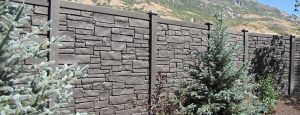
2. Composite Materials
Composite fencing is made from a combination of recycled wood fibers and plastic. It offers the look of wood without the need for constant maintenance and is resistant to rot and pests.
3. Bamboo
Bamboo is a fast-growing and renewable resource that makes an excellent fencing material. It’s strong, durable, and adds a natural aesthetic to your landscape.
4. Recycled Materials
Consider fences made from recycled materials, such as reclaimed wood or metal. These options give new life to materials that might otherwise go to waste.
Reduced Environmental Impact
Fencing can have a reduced environmental impact in various ways:
1. Durability and Longevity
Investing in a high-quality, durable fence means it will last longer, reducing the need for frequent replacements and the associated use of resources.
2. Low Maintenance
Choose fencing materials that require minimal maintenance, such as composite or vinyl. These materials don’t need painting, staining, or sealing, saving both time and resources.
3. Water Efficiency
If your fence is part of your landscaping, consider xeriscaping techniques. Planting drought-resistant vegetation can reduce the need for excessive watering and help conserve water.
Wildlife-Friendly Fencing
Your fence can be designed to accommodate local wildlife:
1. Wildlife Corridors
Include gaps or tunnels in your fence design to allow small animals like squirrels, rabbits, and birds to pass through. This helps maintain natural wildlife corridors.
2. Native Plants
Plant native shrubs and flowers near your fence to attract pollinators and provide food and shelter for local wildlife.
Sustainable Design
The design of your fence can also contribute to sustainability:
1. Modular Design
Opt for a modular fence design that can be easily adjusted or expanded without the need for a complete replacement.
2. Vertical Gardens
Consider creating a vertical garden on your fence using planters or trellises. This not only adds greenery to your space but also contributes to air quality and temperature regulation.
3. Solar-Powered Lighting
If your fence incorporates lighting, choose solar-powered fixtures to reduce energy consumption and reliance on traditional power sources.
Conclusion
Fencing can be a sustainable landscaping solution that enhances the beauty and functionality of your outdoor space while minimizing its environmental impact. At Utah Fencing Company, we’re committed to helping you create eco-friendly fencing solutions that align with your sustainability goals. Contact us today at 801-905-8153 or visit our website at utahfencing.co to explore sustainable fencing options for your property.