Let’s be honest: walking into your backyard should feel like an escape, not a reminder that you’re exposed to the entire neighborhood. Whether you just bought a new build in Lehi or you’re upgrading an old property in Sugar House, the question isn’t just about privacy—it’s about how much it’s going to cost to get that privacy. You’re likely here because you’ve seen those crisp, white fences popping up all over Salt Lake and Davis counties and wondered, “Is that in my budget?”
The real talk on Vinyl popularity
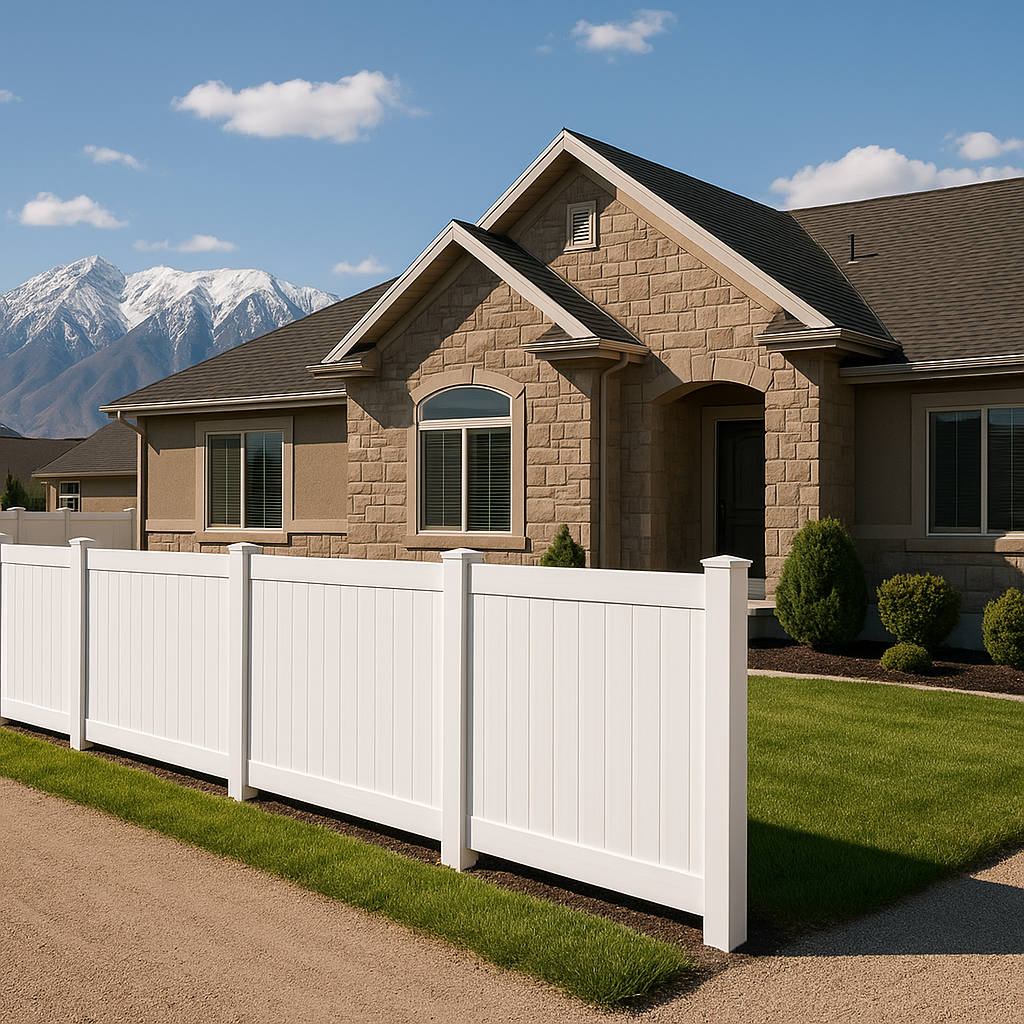
You know what? There is a reason Vinyl has practically taken over Utah neighborhoods. It’s not just a trend; it’s a reaction to our environment. We live in a high-desert climate. We get scorching sun in July, dumping snow in January, and those canyon winds that feel like they could peel the paint off a car.
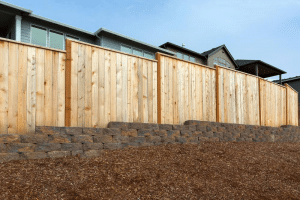
Wood is great—it’s classic, it smells nice—but here in Utah, wood is a thirsty beast. It dries out, cracks, and turns grey faster than you’d expect. Vinyl fencing (or PVC, as the industry folks call it) is the answer to the homeowner who says, “I never want to sand or paint a fence again.”
But here is the thing: because it lasts so long, the upfront price tag can sometimes make people hesitate. It’s an investment. And like any investment, you need to understand exactly where your money is going so you don’t get ripped off.
Breaking down the price tag: It’s not just per foot
When you call around for quotes, you’ll usually hear a price “per linear foot.” That’s the industry standard. But if you just take that number and multiply it by the perimeter of your yard, you might be missing about 30% of the actual cost.
Prices fluctuate. Supply chains get weird. But generally speaking, you are looking at a range. Why the range? Well, it depends on a few heavy hitters:
- Height: A 6-foot privacy fence costs more than a 4-foot picket fence. More material equals more money.
- Color: White is the standard. It’s the most affordable. If you want tan, grey, or a wood-grain texture, you could be looking at a premium.
- Style: Full privacy panels are different from semi-privacy or ranch rail styles.
Honestly, the cost of vinyl fencing is a lot like buying a car. The base model gets you from A to B, but if you want the leather seats (or in this case, the textured “driftwood” finish and solar post caps), the price adjusts accordingly.
The “Ingredient” List: Not all vinyl is the same
This is where things get a little technical, but bear with me because this saves you money in the long run. You might see a “cheap” Vinyl Fence at a big box store and think you can save a few grand by doing it yourself or hiring a handyman.
Here is the problem: cheap vinyl is often made of recycled plastics.
“Wait,” you say, “Isn’t recycling good?” Usually, yes. But in fencing, recycled vinyl often lacks UV inhibitors. You know how plastic lawn chairs turn brittle and yellow after two summers in the Utah sun? That’s what happens to low-grade vinyl fences.
Professional Utah fencing companies typically use what we call “virgin vinyl.” It’s thicker, stronger, and most importantly, it’s packed with Titanium Dioxide (TiO2). Think of TiO2 as permanent sunscreen for your fence. It prevents the UV rays at our high elevation from turning your beautiful white fence into a sad shade of yellow.
So, when you see a quote that is significantly higher than a DIY kit, you aren’t just paying for labor. You are paying for a material that won’t shatter when your kid kicks a soccer ball against it in typically freezing February temperatures.
The invisible labor costs (and why Utah soil is tough)
If you have ever tried to plant a tree in your backyard, you already know this pain. The soil here varies wildly. In some parts of Salt Lake County, it’s sandy and easy. In parts of Utah County or up on the benches, you hit rocks the size of microwaves the moment you put a shovel in the ground.
When we price a job, we are looking at:
- Digging conditions: If we have to jackhammer through rock, that takes time.
- Slope and Grade: Very few yards are perfectly flat. We have to “step” the fence panels to follow the slope of your land so it looks natural and doesn’t leave gaps for your dog to escape under.
- Old Fence Removal: tearing out an old, rotted Wood Fence and hauling it to the dump isn’t free. It’s hard, heavy work.
And then there is the cement. A Vinyl Fence is essentially a sail. If those posts aren’t set deep in Concrete, the first big wind storm coming off the Great Salt Lake is going to push that fence over. We don’t just dig holes; we anchor your investment.
Let’s talk about the wind
Speaking of wind—this is a huge factor for homeowners in Davis County and areas near the canyons. Standard vinyl panels are strong, but if you live in a high-wind zone, you need to think about heavy-duty rails or Aluminum inserts.
Standard big-box store panels are often thinner. In a 60 mph gust, they can bow or snap. Professional grade vinyl usually has a “wind load rating.” It might cost a tiny bit more upfront to get the reinforced rails, but it’s a lot cheaper than replacing the whole fence line after one bad storm.
The ROI: Vinyl vs. Wood vs. Iron
Okay, let’s look at the numbers over time. This is where vinyl really shines.
Let’s say you install a Cedar or Redwood fence. It looks gorgeous on day one. But by year two or three, you need to stain it. That involves power washing, buying gallons of stain, and spending a weekend covered in goop. If you pay someone to do it, that’s hundreds of dollars every few years.
Here is a quick breakdown of how the materials compare over a 15-year period:
| Feature | Wood Fence | Vinyl Fence | Chain Link |
|---|---|---|---|
| Initial Cost | Moderate | Moderate to High | Low |
| Maintenance | High (Stain/Seal every 2-3 years) | Very Low (Hose it down) | Low |
| Privacy | High (until planks shrink/warp) | High (no gaps) | None (unless slats added) |
| Lifespan | 15-20 Years | 30+ Years | 20+ Years |
| Utah Durability | Prone to rot/snow damage | Excellent (if virgin vinyl) | Excellent |
When you do the math, vinyl fencing often becomes the cheaper option around year seven or eight simply because you haven’t spent a dime on maintenance.
Gates and Hardware: The tricky parts
Here is a detail that often gets overlooked in the initial “napkin math” homeowners do. Gates.
A gate is the only part of the fence that moves. It takes abuse. It slams shut. Gravity pulls on it 24/7. Vinyl gates need steel frames inside the vinyl to keep them square. If you just screw hinges into hollow vinyl, that gate will sag and drag on the ground within six months. Guaranteed.
High-quality stainless steel or powder-coated hardware is essential to prevent rust stains from dripping down your white posts. These components add to the cost, but they ensure your gate actually latches when you need it to.
We can’t forget the paperwork, right? If you live in a planned community or an HOA, there are almost certainly rules about fence height, color, and style. Some HOAs in South Jordan or Herriman practically require specific types of fencing.
Furthermore, cities require permits. There are rules about how close you can build to a sidewalk, or how high a fence can be on a corner lot (so you don’t block the view for traffic). Part of what you pay a professional Utah Fencing Company for is the knowledge of these codes. We handle the headache so you don’t end up with a code violation notice taped to your front door.
The “DIY” Temptation
I get it. You watch a few YouTube videos, and it looks easy. “Just dig a hole, pour some concrete, slide the post in.”
But have you ever tried to keep a line of posts perfectly straight over 100 feet of uneven ground? If a post is off by even half an inch, the pre-made vinyl panels won’t snap in. You end up fighting the materials.
We have fixed a lot of DIY jobs. Usually, the issue is that the cement wasn’t mixed right, or the holes weren’t deep enough to get below the frost line. When the ground freezes and thaws (which it does dozens of times a winter here), shallow posts get heaved upward. Suddenly, your straight fence looks like a rollercoaster.
Hiring a pro ensures the warranty stays valid and the fence stays straight.
So, what’s the bottom line?
Ultimately, the cost of your vinyl fence depends on the scope of your project. Are we fencing a tight little courtyard in Daybreak or a sprawling half-acre in Kaysville?
But more than the linear footage, you are paying for peace of mind. You are paying for the certainty that when the wind howls at 2 a.m., your fence will stay put. You are paying for Saturday mornings spent drinking coffee, not scrubbing mildew off wood planks.
Vinyl is an investment in your property value and your curb appeal. It’s clean, it’s modern, and in the harsh Utah climate, it is hands down the most practical choice for homeowners who value durability.
Ready to upgrade your property?
Don’t let the guesswork stress you out. At Utah Fencing Company, we specialize in helping homeowners and businesses find the perfect fencing solution that fits their budget and withstands our unique weather. We know the soil, we know the codes, and we know how to build a fence that lasts.
Call us at 801-905-8153 to speak with an expert today.
Alternatively, you can click here to Request a Free Quote and let us help you transform your yard into the private oasis you deserve.